
Several years ago, I believed our middle school elective program was meeting student needs. We offered band, choir, art, computers, and physical education. These are programs adults traditionally view as well-rounded and sufficient. When I asked students what they wanted from electives, I expected requests for better materials or more variety within those same offerings.
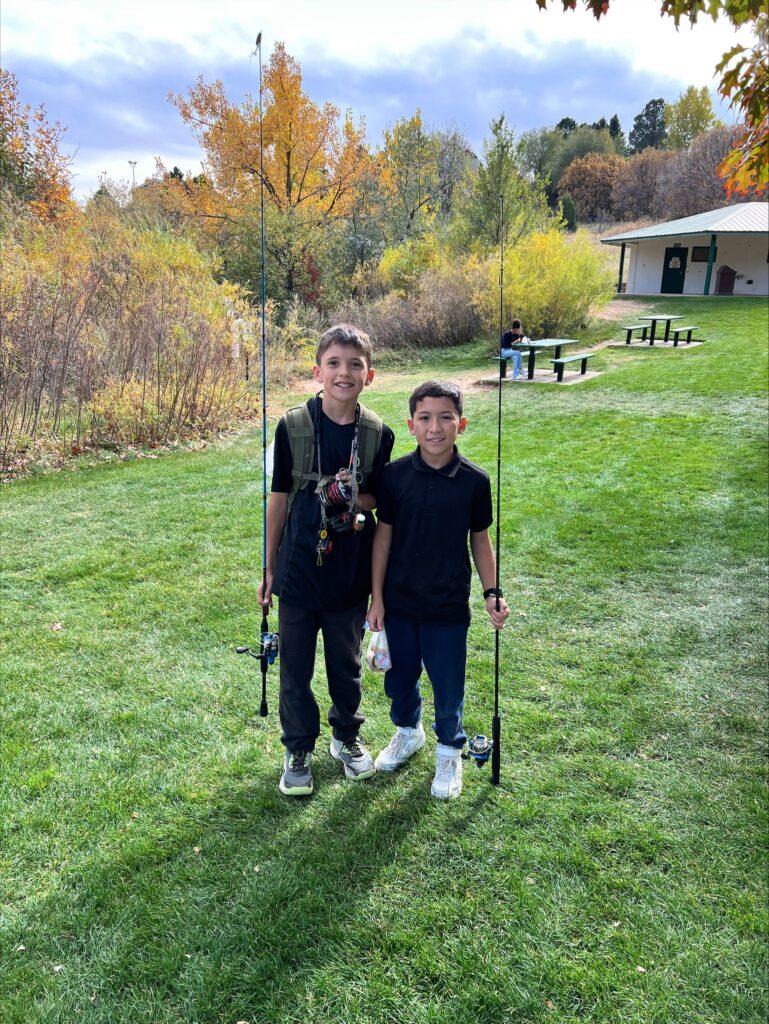
Instead, they told us clearly and consistently that electives felt repetitive year after year. More importantly, they felt disconnected from real life. Students were not asking to be entertained; they were asking for relevance. They wanted hands-on, project-based learning that helped them understand how school connects to their futures.
At that moment, student voice stopped being a survey and became a mirror. What I saw reflected was an adult-centered system that made decisions for students rather than with them.
I did not launch a new student voice initiative. I changed how I made decisions.
Instead of relying on traditional student councils or feedback from the most vocal students, we intentionally gathered input from a broad cross section of our student body. This included students in academic intervention groups, students receiving special education services, students with inconsistent attendance, and students who rarely volunteer opinions in class.
Across groups, four consistent themes emerged. Students wanted electives that:
- Allowed them to work with their hands
- Connected learning to real-world tasks
- Helped them explore potential careers
- Felt practical and meaningful to their lives
Hearing this feedback was uncomfortable. It challenged deeply held adult beliefs about what middle school students are “ready for” and forced us to confront the limits of adult-designed systems. Publicly acknowledging that our assumptions were incomplete—and in some cases wrong—became a defining leadership moment.
Acting on Their Feedback
At the time, our school offered one technology-based career and technical education (CTE) course. As I reviewed our master schedule, I realized we had flexibility within elective rotations to pilot something new.
CTE provided the structure students were asking for: applied learning, relevance, and exploration without premature specialization. We conducted a formal inventory of staff expertise, including prior careers, endorsements, college coursework, and industry experience. What surfaced surprised many of us. Teachers brought backgrounds in engineering, agriculture, outdoor education, business, media, and technical fields. Others had coursework that aligned naturally with CTE pathways.
Equally important, many teachers expressed renewed energy at the idea of teaching something aligned to their passions. With support from our district CTE team and curriculum, instruction, and assessment department, we partnered with the Colorado Department of Education to navigate middle school exploratory CTE licensure pathways.
Teachers became designers, not just deliverers, of curriculum. Their enthusiasm translated directly into stronger instruction and increased leadership ownership.
Creating More Offerings
Within one year, we expanded from one CTE offering to 11. These included electives such as education exploration, outdoor education, financial literacy, career readiness for students in special education, and engineering, among others. Additional electives such as forensic science and science in the movies are in development.
This expansion was not seamless. Scheduling constraints, staffing coverage, and skepticism required transparent communication and phased implementation. We piloted intentionally, reviewed enrollment and engagement data, and refined offerings based on student feedback.
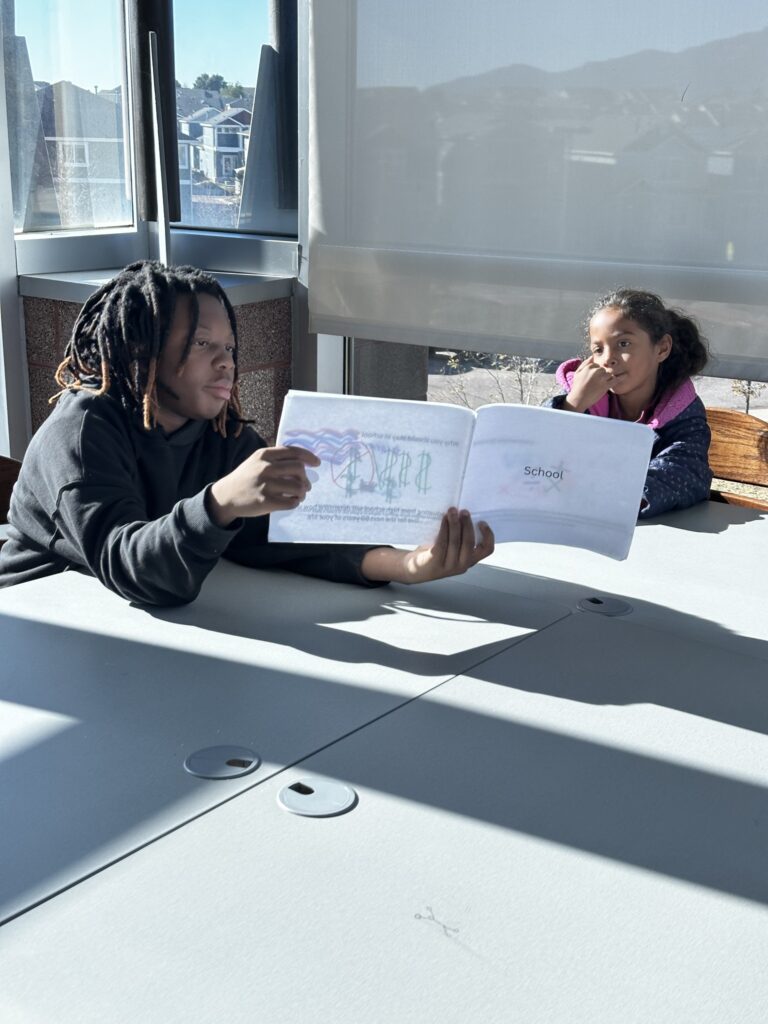
Why Middle School Matters
Middle school is not too early for career exploration; it is the right time. Students are forming identities, testing competence, and imagining who they might become.
For instance, in our education exploration class students begin learning about teaching careers in eighth grade, continue into high school with concurrent enrollment opportunities, and can enter our district’s Teacher Apprenticeship Program and earn income while progressing toward licensure. This pipeline responds directly to educator shortages while elevating teaching as a profession.
Evidence of Impact
While formal longitudinal data collection is ongoing, early indicators demonstrate meaningful and observable changes in student behavior and adult practice. These include:
- Increased elective enrollment and waitlists, signaling student demand rather than adult compliance
- Improved student engagement and attendance during elective blocks, particularly among students previously disengaged during the school day
- Students describing themselves using career language (e.g., engineers, designers, educators, technicians) reflecting emerging academic and professional identity
- Increased staff retention, leadership engagement, and willingness to pursue additional endorsements connected to CTE instruction
Perhaps the most significant indicator has been relational. Students now trust that when they offer feedback, adults will respond with action rather than explanation. That trust has carried into classrooms, advisory spaces, and broader school conversations, strengthening our overall culture of belonging and shared ownership.
What I Would Do Differently
If I were to begin again, I would communicate earlier—and more often—about why we were making these shifts. Student voice initiatives, when not clearly framed, can be misinterpreted as criticism of existing practice rather than an invitation to grow.
I would also create more structured opportunities for staff to sit with student feedback together before solutions were proposed. Adults need space to process discomfort, challenge assumptions, and ask questions before they can fully commit to change.
Leadership is not about getting it right the first time. It’s about being willing to be changed by what you hear—and modeling that willingness publicly.
