Student and staff wellness has become inseparable from academic success. Yet for principals, the demands of the job often leave little time or space to prioritize personal well-being.
As a school leader, I realized I could not sustainably support my community unless I found intentional ways to support myself. Recently, I decided to make wellness visible in my school. How did I do it? By integrating movement into daily routines, and creating opportunities for staff, students, and families to join in, I discovered that small changes—done consistently—can transform a school’s climate.
This work is not about perfection; it is about modeling what it means to show up as a whole person, every day. Below are four practices that have helped me—and my school community—become healthier. I hope they inspire you, too.
1. Make Your Goals Public
One of the most powerful ways to invest in wellness is to make your goals public. When we keep intentions to ourselves, they remain aspirational. When we share them, they become commitments—and sources of collective inspiration.
This year, I launched a public movement challenge on my Instagram account, @theallisonpersad, with one clear goal: thirty minutes of movement every day. That movement looked different depending on the day. Sometimes it was early morning yoga. Sometimes it was a brisk walk while pushing my toddler’s stroller—or with my toddler quite literally climbing on top of me during a plank. Other days, it was a few miles on a walking pad or quick weight training squeezed between school events.
By posting daily progress, I wasn’t showcasing perfection; I was demonstrating consistency. What I didn’t expect was the response. People inside and outside my school community began sending messages like:
“I was about to scroll before bed, but I saw your post and got up to do a 20minute stretch.”
“Seeing you prioritize movement reminded me that I can, too.”
Public goals don’t just help you stay accountable—they create momentum for others. A bulletin board in the main office, a shared staff challenge, or a daily socialmedia post can spark a ripple effect. When leaders model wellness openly, it signals to the community that selfcare isn’t a luxury, it’s a practice.
2. Redesign Your Workspace
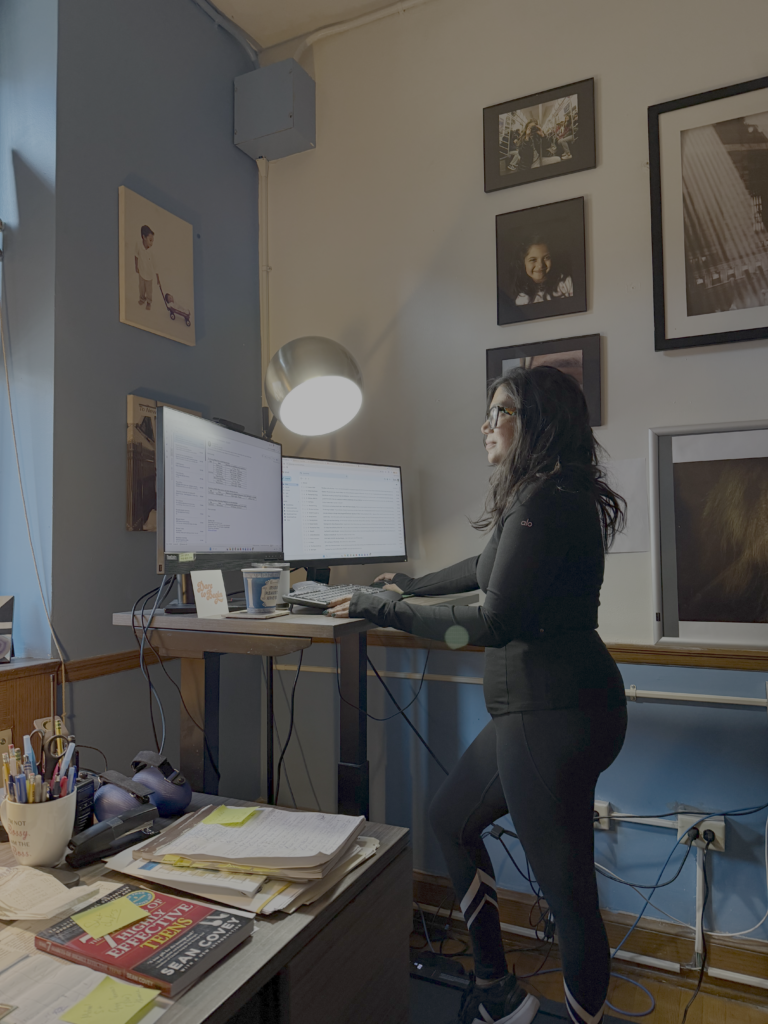
One of the best decisions I made for my personal health was adding a walking pad and standing desk to my office. School leaders spend countless hours at their desks, often sitting through long stretches of email, reports, planning, and administrative work. Instead of adding time to exercise, I redesigned the time I already had.
At a steady pace of two miles per hour, I can walk two to three miles while drafting emails or reviewing documents—often without realizing how much movement I’ve accumulated. It’s quiet, unobtrusive, and surprisingly energizing.
The benefits go beyond physical movement. I feel more alert, less tense, and more focused throughout the day. My posture improved. My stress levels decreased. And the simple act of walking while working created a healthier rhythm to the demands of the job.
This setup also serves as subtle modeling. When staff or students visit my office, they see a leader who has intentionally shaped her environment to support wellness. It communicates a powerful message: You don’t have to find extra hours in the day to care for yourself, you can integrate wellness directly into your workflow.
3. Movement Meetings
Another pivotal shift in my leadership has been adopting movement meetings. Today, roughly 80% of my meetings happen while walking. What started as a creative adaptation became one of my most useful tools for communication, problemsolving, and connection.
Our school sits on a large city block, perfect for 10–15minute walking loops. For longer or more complex meetings, I extend the route to nearby Astoria Park, where open space and natural light offer a calmer environment than any conference room.
The impact has been profound. With students, movement is often the key to de-escalation. Taking a walk sidebyside instead of sitting across a desk lowers emotional intensity. Students talk more freely. They regulate more quickly. They feel seen rather than confronted.
I have experienced the same shift with parents, including those arriving upset or anxious. Something about the sun, fresh air, and shared movement shifts the energy. Conversations that might have escalated indoors often become collaborative outside.
Movement meetings have also transformed my work with teachers. I conduct “coffee walks” with all firstyear educators—a tradition that blends connection, mentorship, and wellness. On a walk, teachers open up more authentically, and feedback feels more like dialogue than evaluation. It strengthens trust and builds community.
4. Build Movement Into the Rhythm of Your Community
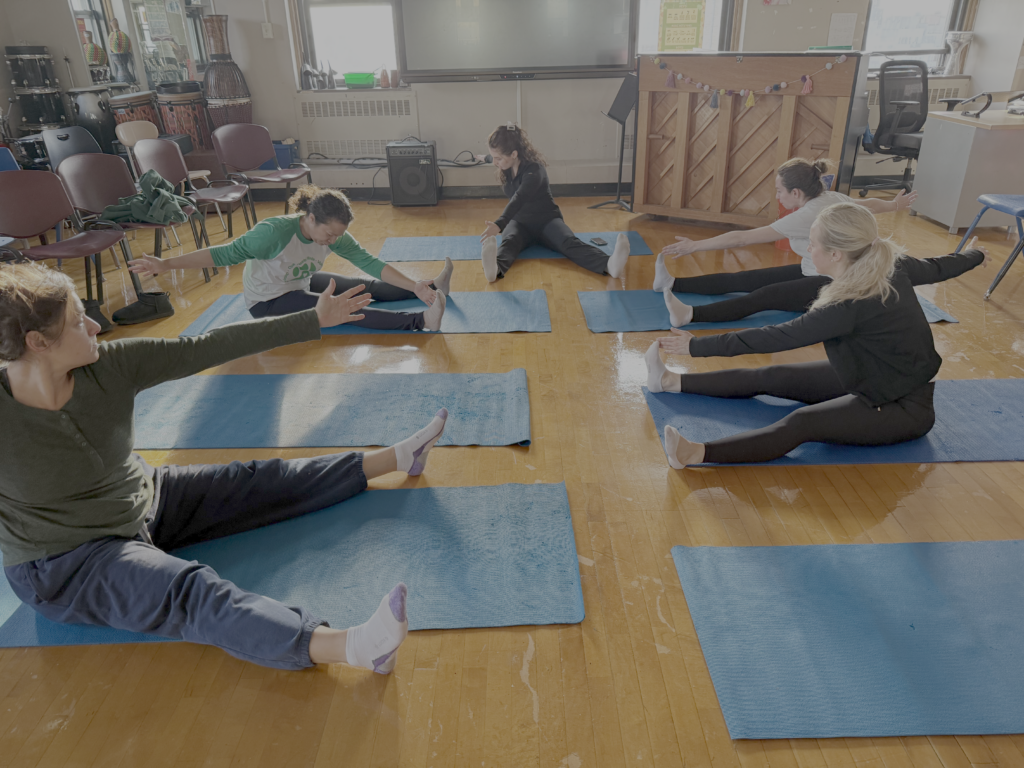
Sustainable wellness comes from embedding movement into the life of a school—not just scheduling it for yourself. One of our staff members is a parttime Pilates instructor, and she now hosts monthly parent Pilates classes after school. I participate every chance I get. It’s movement, relationshipbuilding, and community engagement all in one. Parents get to see me as a fellow human navigating the same challenges they are. It deepens trust.
We also launched a firstperiod yoga class for students. I am working on joining once a week—either on a Friday to help decompress from the week or on a Monday to energize the start of one. Being on the mat with students is grounding for all of us and sends a powerful message: Wellness is not something we tell students to do; it’s something we do alongside them.
Small, intentional changes—walking pads, movement meetings, community classes—have reshaped my leadership and my school culture. Wellness is no longer a separate task; it’s woven into the rhythm of our days.